 Nightwater Guide
Early Automation and Pipe Routing Setup in Nightwater
Constructing automated systems requires connecting harvesters to processing units and bins using pipes. Island machinery can be dismantled or shifted at any time with no item penalties.
Manual Gathering and Blueprint Unlocks
Early survival on the island starts with collecting fallen branches and loose rocks directly from the soil. The first region, The Woods, contains the raw materials needed to trigger early milestone goals. Hitting milestone thresholds registers progress on individual items, which unlocks access to crafting recipes and early factory equipment.
Opening the construction screen involves pressing B, though controller prompts in the demo build occasionally display desktop bindings. Accumulating milestone targets, such as reaching 600 oak wood, brings basic processing blueprints into your crafting index before factory assembly starts.
Placing Wood Harvesters
Once manual gathering supplies initial construction stock, automated extractors take over field operations. Players choose from over 60 buildings across the game, starting with basic farmers placed over regional resource patches in The Woods.
- Open the construction interface using the dedicated menu binding.
- Select a basic farmer structure from your unlocked building list.
- Position the farmer directly over the targeted resource node before confirming placement.
- Run the Dark Thicket minigame while the collector accumulates raw stock.
The game imposes no arbitrary limits on total building count, so multiple farmers can run side by side across the same patch.
Laying Down Transfer Lines
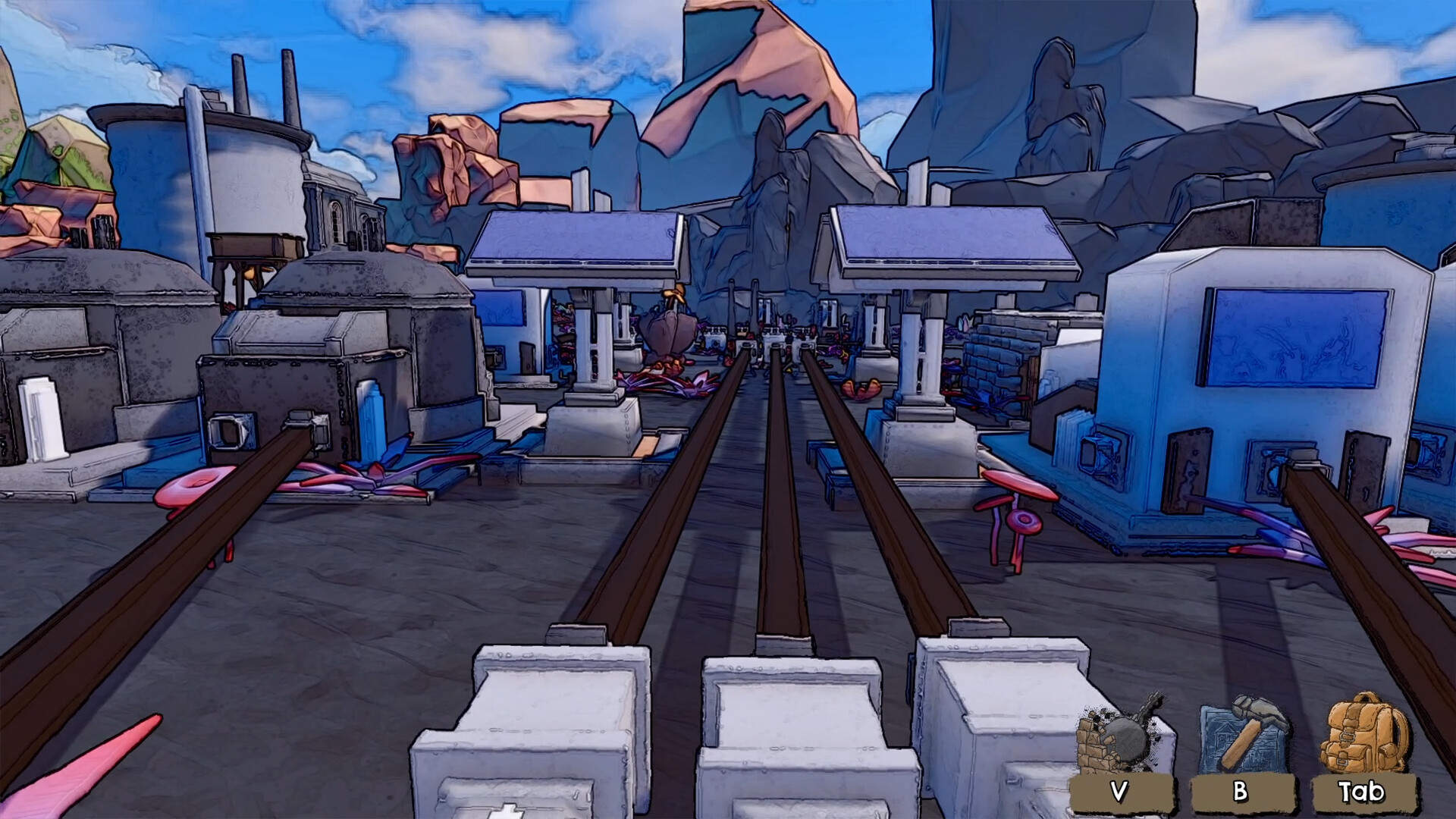
Extracted raw goods require a route from field harvesters into processing stations or holding containers. Connecting nodes with pipes establishes continuous flow between building ports without manual player hauling.
- Target the output junction of the operating farmer unit.
- Run the pipe line outward across open ground toward the receiving machine.
- Connect the pipe to the intake port of an assembler or storage unit.
Following feedback from early playtests, storage boxes include dedicated inputs and outputs so items can pass through between machines.
Configuring the Primitive Assembler
Routing a raw feed into mechanical crafters converts basic materials into intermediate parts. In demo versions, some players noted oddities with recipe unlocks, such as collecting 937 oak wood when the milestone only demanded 600, yet finding the Primitive Gearbox still locked in the Primitive Assembler interface.
No confirmed fix is documented yet for this issue. Once unlocked, the Primitive Assembler accepts piped inputs, converts items continuously, and pushes finished parts toward secondary production lines.
Buffer Management with Storage Units
Automated lines frequently back up whenever harvesting rates exceed processing speeds. Placing intermediate storage units along the pipe corridor absorbs excess supply without halting active farmers.
Because Nightwater has over 20 resources and more than 100 buildings, crafts, and buffs, dedicated buffer boxes prevent single-line clogs from shutting down entire production sectors. Playtest feedback prompted an update to container behavior: all boxes now have both input and output ports and act as inline reservoirs between extractors and assemblers.
Relocating Factory Hardware
Initial island setups quickly require reorganization as technology unlocks more compact configurations. Nightwater allows players to relocate or deconstruct any of the 60+ buildings at any moment without losing items or raw materials.
Materials invested in structures are not lost when deconstructing or moving them. Players can adjust pipe networks or consolidate sprawling arrays without scrap penalties.
Transitioning to Mountain Metallurgy
Advanced production milestones demand moving past basic timber networks into heavy mineral operations. Venturing toward the Mountains biome introduces mineral deposits such as tin and coal. Processing these materials requires hardware like smelters and the mechanical crusher.
In the pre-release demo, mining coal manually did not advance research statistics past 1, nor did automating extraction with a crusher update crafting recipes. The developer documented that demo saves do not carry into the 1.0 full release because early game sections were replaced. A fresh start is required on September 18, 2026.
Last updated: 2026-09-16. Game builds change; cross-check details with your installed version.